How to Hire a Freelance Content Creator
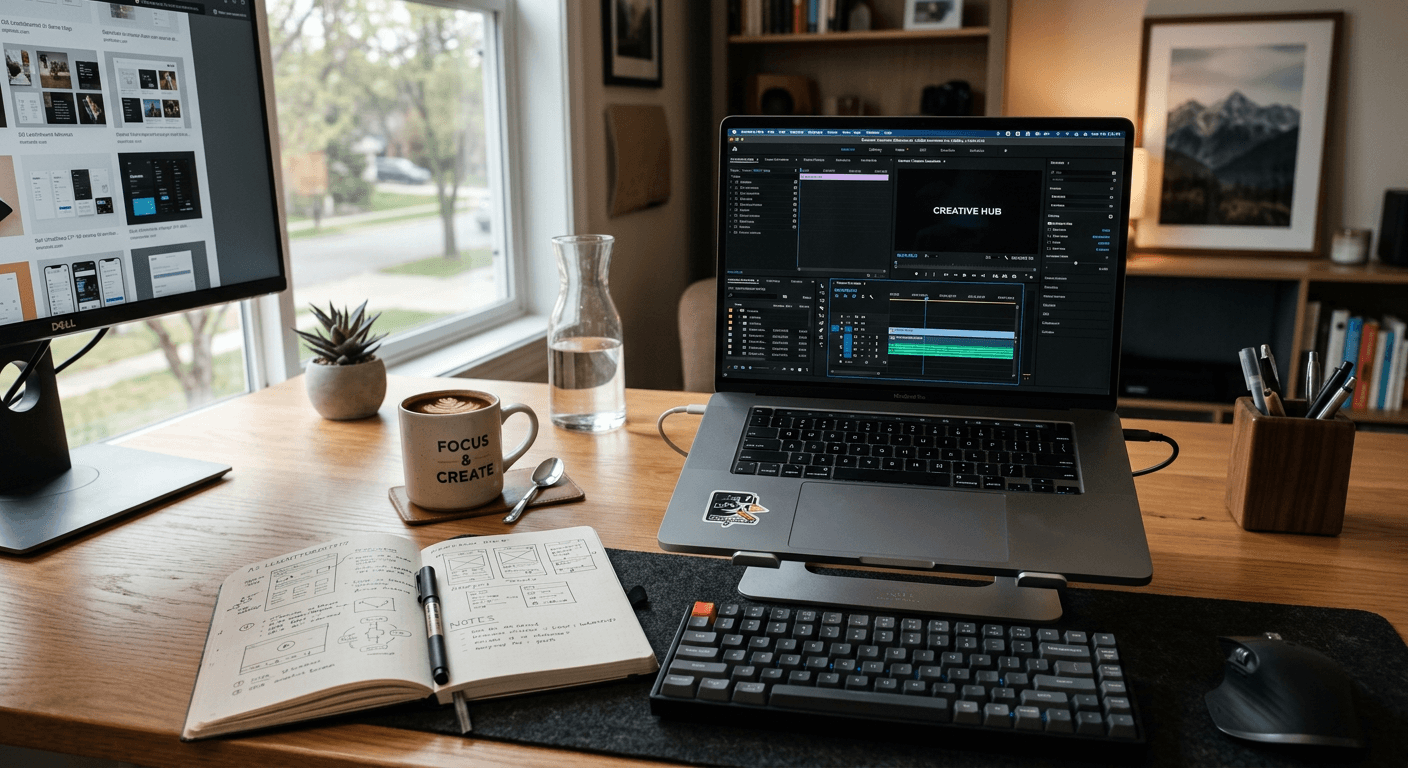
Finding the right freelance content creator is an exercise in balancing creative vision with operational rigor. Businesses often struggle to bridge the gap between abstract project needs and the tangible, high-quality deliverables that drive engagement. Whether you are scaling your marketing efforts or launching a new brand initiative, understanding the technical and interpersonal requirements for vetting a professional is essential for success.
Quick Summary
Hiring a freelance content creator involves identifying specific technical requirements, evaluating past performance, and establishing clear communication workflows. Success hinges on a structured vetting process that balances creative aptitude with reliability. Key takeaways include:
- Define project scope before reaching out to candidates.
- Prioritize relevant portfolio work over general experience.
- Implement paid trial tasks to assess real-time problem solving.
- Establish clear legal and compensation expectations upfront.
Table of Contents
- Defining Your Project Scope
- Sourcing and Vetting Candidates
- Evaluating Portfolios and Trial Tasks
- Finalizing the Engagement and Workflow
- Common Pitfalls and Troubleshooting
- FAQ
- Recommended Reads

Defining Your Project Scope
Before you search for a content creation freelancer, you must have a crystalline understanding of the work required. Vague project descriptions often attract candidates who lack the depth necessary to execute specific brand strategies. Start by outlining your primary goals, such as increasing search visibility, social media engagement, or lead conversion. Determine if the role requires technical writing, creative storytelling, or multimedia production, as these skill sets rarely overlap perfectly.
Once the functional needs are established, define the structural constraints. Consider the frequency of output, the target audience's demographic, and the desired brand voice. By reviewing our operational terms regarding service standards, you can establish clear expectations for what constitutes a high-quality deliverable in your specific industry. This upfront investment prevents scope creep and ensures that prospective freelancers understand their responsibilities from day one.
Sourcing and Vetting Candidates
When sourcing a freelancer content creator, look beyond general job boards to industry-specific platforms or professional networks. High-quality talent is often found in communities where they share their own work or discuss industry trends. When reviewing applications, ignore generic cover letters and focus on how the creator addresses your specific pain points.
During the initial screening, ask questions about their creative process rather than their tools. A professional freelancer content creator should be able to articulate how they research topics, manage deadlines, and adapt to feedback. If they cannot explain how they handle a revision cycle or an unexpected pivot in strategy, they may struggle to integrate into your existing workflow or privacy compliance requirements.
Evaluating Portfolios and Trial Tasks
Evaluating a portfolio requires more than just checking for "good" writing or visuals. Look for consistency in quality across different types of projects. A strong freelance content creator will showcase an ability to mimic various brand voices while maintaining technical accuracy in their specific domain. Pay close attention to whether their work has actually achieved the goals they claim to have supported in their client testimonials.
Pro Tip: Always offer a small, paid trial task to candidates who pass the initial portfolio review. A trial task allows you to evaluate not just the final output, but the candidate's responsiveness, ability to follow a style guide, and overall professional communication. Never ask for free work to "test" their skills; paying for a trial ensures you are treated as a serious client and attracts more qualified talent.
Finalizing the Engagement and Workflow
Once you have identified the right fit, formalize the relationship with a clear contract. This document should outline payment schedules, ownership of intellectual property, and defined turnaround times. For those seeking resources on how to manage these professional relationships, the official company portal provides templates and guidelines for establishing robust working environments.
Communication is the final pillar of a successful engagement. Set up a regular cadence for status updates and feedback cycles. If the freelancer is handling a high volume of work, consider using a project management tool to track drafts and edits. Transparency regarding project status ensures that you remain aligned with the creator's capacity and prevents bottlenecks as the content production scales.
Common Pitfalls and Troubleshooting
One common error is failing to provide a detailed brand style guide. Without one, creators often default to their own voice, which may not align with your business identity. If you notice the tone feels off, do not immediately assume the creator is incompetent; first, review whether your documentation provided them with the necessary parameters for success.
Another frequent pitfall is micromanagement. While oversight is necessary, excessive interference can stifle a creator's efficiency and cause frustration on both sides. If you find yourself correcting every sentence, it is a sign that your onboarding process needs improvement, or that the creator's baseline skill level does not align with your requirements. Address these issues early in the trial phase to avoid long-term misalignment.
FAQ
How much should I expect to pay a content creator? Rates vary significantly based on expertise, industry niche, and complexity. Some creators charge per project, while others charge hourly or per word. Avoid the cheapest options, as they often require more time-intensive editing.
Should I hire a generalist or a specialist? If your needs are technical or require deep industry knowledge, a specialist is almost always worth the premium. Generalists are effective for broad marketing content but may lack the authority needed for high-end thought leadership.
How can I ensure the creator stays on brand? Provide a comprehensive style guide that includes tone, audience persona, formatting preferences, and examples of content you admire. Regular, constructive feedback during the first few weeks is also vital.
What if the freelancer misses a deadline? Clarify expectations in your contract regarding late delivery. If it happens, communicate immediately to understand the bottleneck. If it becomes a pattern, it is time to reassess the partnership.