How to Hire a Professional Freelance Content Creator for Your 2026 Business Growth
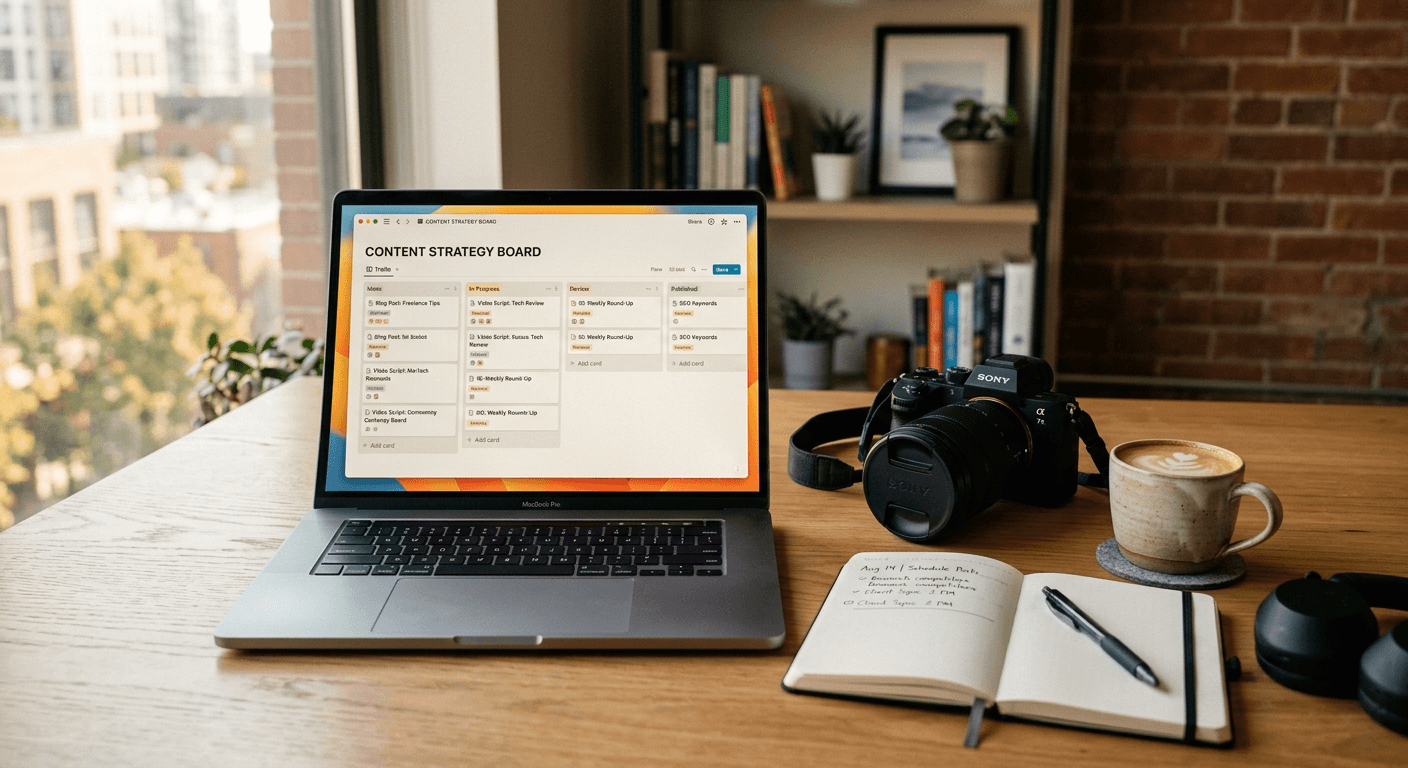
Finding the right freelance content creator is a strategic move that requires more than just browsing portfolios. As businesses move toward increasingly automated yet authentic digital presence, the quality of your written, visual, and strategic output directly impacts your brand authority and search performance. Effectively sourcing a partner who understands your niche, audience, and technical requirements is the foundation for scaling your content operations without compromising on quality.

Quick Summary
Hiring a professional freelance content creator involves a structured process of defining scope, vetting expertise, and establishing clear workflows to ensure consistent quality. Key steps include identifying your specific content needs, validating candidate experience, conducting paid test assignments, and integrating them into your existing legal and privacy frameworks for seamless collaboration.
- Define your content strategy and technical requirements before reaching out.
- Conduct thorough portfolio reviews focused on past performance and niche relevance.
- Implement a paid trial project to evaluate communication and output quality.
- Finalize agreements by clarifying service terms and ownership.
Table of Contents
- Defining Your Content Requirements
- Sourcing and Vetting Candidates
- The Selection Process and Trial Projects
- Onboarding and Workflow Integration
- Common Pitfalls and Troubleshooting
- FAQ
- Recommended Reads
Defining Your Content Requirements
Before you begin your search for a freelancer content creator, you must codify exactly what success looks like for your business. A common mistake is to hire a generalist when you actually require a specialist who understands technical documentation, high-conversion landing pages, or local search intent. Start by listing the specific formats you need, such as long-form blog articles, white papers, or social media scripts.
Furthermore, consider the technical constraints of your publishing environment. If you operate within the German market, for instance, your content may need to comply with specific data protection standards. Clearly defining these requirements allows you to filter out candidates early who lack the necessary regulatory knowledge or infrastructure understanding to deliver professional-grade output that aligns with your operational needs.
Sourcing and Vetting Candidates
Once you have defined your requirements, seek out talent on platforms known for high-quality creative work, or leverage professional networks within your industry. When reviewing a potential content creator freelancer, look beyond the surface-level aesthetics of their portfolio. Analyze the depth of their writing, their ability to adapt to a brand voice, and, most importantly, their history of achieving measurable results for past clients.
During the vetting phase, ask for case studies rather than just writing samples. A skilled freelancer should be able to explain the "why" behind their creative choices and how those choices influenced user engagement or search visibility. Verify their reliability by requesting references and ensuring their communication style aligns with your project management pace. Inconsistent communication is often a precursor to inconsistent content quality.
The Selection Process and Trial Projects
Never skip the trial project phase. Even the most impressive portfolios can sometimes mask a lack of ability to follow a specific brief or meet strict deadlines. Assign a small, paid task that mimics the actual work you expect them to perform. This provides a real-world look at how the candidate handles research, structural feedback, and turnaround time.
Pro Tip: When conducting a trial project, provide a detailed brief including your target keywords, buyer persona, and brand voice guidelines. Use this opportunity to see how they handle constructive criticism and whether they ask clarifying questions, which is a hallmark of a professional creator.
Evaluate the trial based on the candidate's adherence to the brief, the accuracy of their research, and their ability to capture your brand tone without requiring extensive rewriting. If the output needs minimal editing, you have likely found a long-term partner.
Onboarding and Workflow Integration
Proper onboarding is the bridge between a one-off project and a sustainable partnership. Provide your freelancer with all necessary documentation, including style guides, internal terminology glossaries, and access to the tools they need to perform their role efficiently. If you use external platforms for managing digital infrastructure, ensure your new hire understands how to work within those systems safely.
Establish clear communication channels and project management workflows from day one. Define how feedback will be delivered, how revisions are requested, and how payment schedules will be handled. Establishing a predictable rhythm helps the creator build momentum and allows your internal team to plan their own tasks around incoming content, resulting in a streamlined production cycle.
Common Pitfalls and Troubleshooting
One of the most frequent pitfalls is failing to provide a comprehensive brief. If the creator has to guess your intent, the quality of the content will suffer. Always provide clear objectives, target audiences, and specific call-to-action requirements for every piece of content you assign.
Another issue arises when businesses fail to define ownership of intellectual property. Ensure that your initial agreements clearly state that the work produced is a "work for hire" and belongs entirely to your business. If a creator begins missing deadlines, address the issue immediately; it is often better to re-evaluate the partnership early than to allow chronic delays to disrupt your content calendar.
FAQ
How do I distinguish between a novice and a professional content creator?
A professional creator provides data-backed case studies, asks questions about your target audience during the interview, and adheres strictly to a project brief. A novice often focuses solely on word count or generic writing capability without considering business goals.
Should I pay for a trial assignment?
Yes. Requesting unpaid work is generally discouraged in professional circles and often attracts low-quality applicants. Paying for a trial project ensures you are treated as a professional client and allows you to test the freelancer's actual workflow.
How often should I communicate with my freelancer?
Communication should be consistent but not invasive. Use a project management tool to track status updates, which minimizes the need for excessive status-check emails and allows the freelancer to focus on the work itself.
What if the freelancer's content doesn't match my brand voice?
This usually points to a gap in your style guide or the initial brief. Provide specific, annotated feedback on the first draft and see if they can pivot. If they cannot adapt after clear guidance, it is time to move on to a new candidate.