How to Organize a Content Marketing Seminar
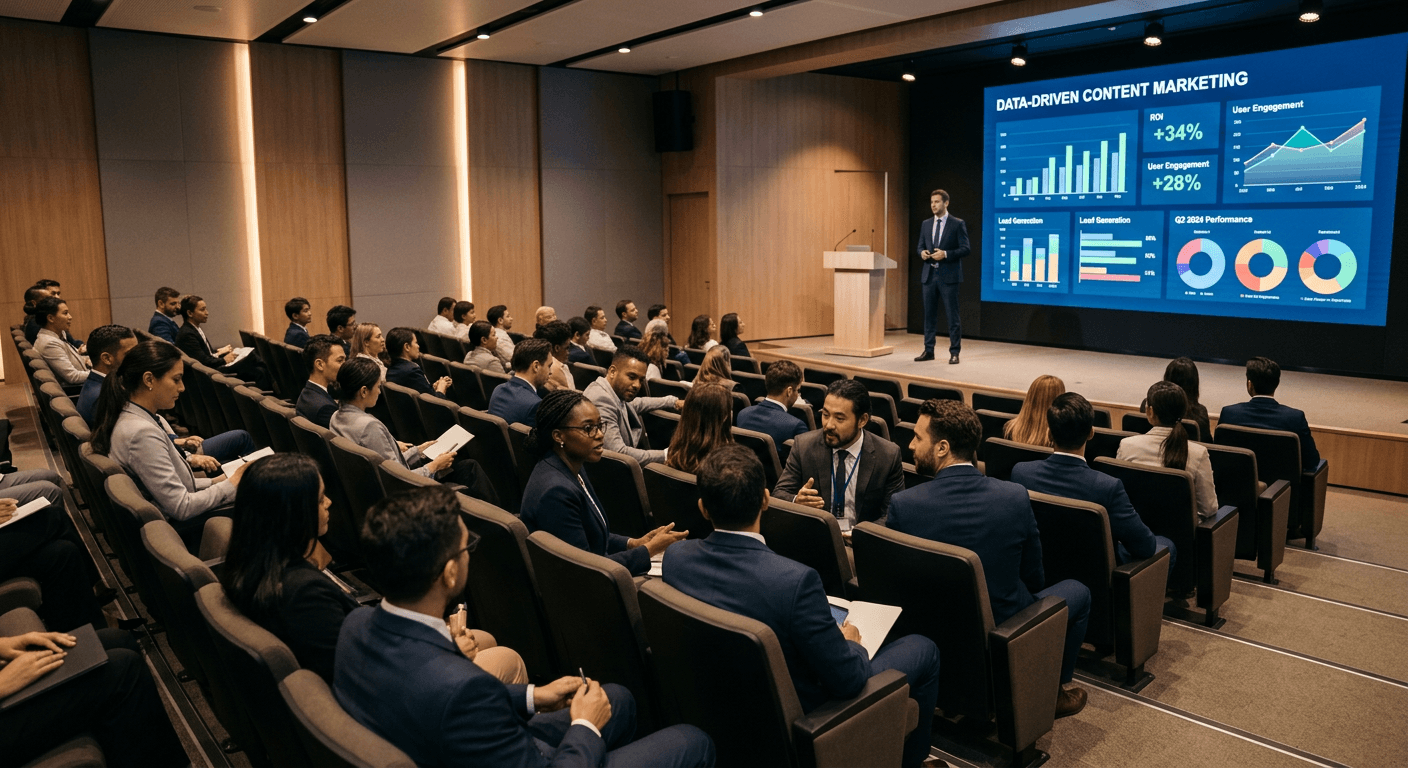
Planning a successful content marketing seminar requires a methodical approach that balances logistical precision with high-value educational content. As industry professionals shift from broad digital noise to specialized knowledge sharing, creating a dedicated space for learning fosters authority and community. A well-executed event serves as a cornerstone for your brand strategy, bridging the gap between digital theory and real-world application.
Quick Summary
Organizing a content marketing seminar involves defining a target audience, securing industry-relevant speakers, and managing logistical infrastructure to deliver actionable value. Success hinges on precise planning, engaging programming, and post-event follow-up strategies that translate educational engagement into long-term professional connections and measurable business outcomes.
- Define clear learning outcomes for attendees.
- Secure speakers who combine theory with tactical expertise.
- Focus on interactive elements to boost retention.
- Prioritize seamless logistics and technical setup.
Table of Contents
- Defining Objectives and Target Audience
- Securing Expert Speakers
- Managing Logistics and Technical Requirements
- Structuring the Seminar Content
- Promotion and Attendance Strategy
- Common Pitfalls and Troubleshooting
- FAQ
- Recommended Reads

Defining Objectives and Target Audience
Before booking a venue or drafting an agenda, you must identify the primary purpose of your content marketing seminar. Are you aiming to generate qualified leads, educate your existing client base, or establish thought leadership within a specific niche? Defining these goals early ensures that your budget and effort remain aligned with business targets. If you need a reference for how data handling and participation impact your planning, review our privacy policy for best practices regarding attendee data.
Once the objective is established, create a granular profile of your ideal attendee. Content marketing conferences attract a diverse crowd, ranging from entry-level social media managers to senior brand directors. By segmenting your audience, you can tailor the depth of the presentations and the complexity of the workshops to ensure that no attendee feels lost or under-challenged. A focused, well-defined audience leads to higher conversion rates and more meaningful networking opportunities during the sessions.
Securing Expert Speakers
Speakers are the heartbeat of any seminar. To attract a high-quality audience, you need presenters who offer more than just theoretical knowledge. Look for practitioners who have successfully implemented content strategies at scale. Invite speakers who can provide case studies, clear data visualizations, and actionable takeaways that attendees can implement in their own workflows the following Monday.
When reaching out, provide a clear value proposition for the speaker. Explain why their specific expertise is essential to your seminar and how the event aligns with their personal brand or professional goals. Maintain a professional relationship by establishing clear expectations regarding presentation length, content restrictions, and interactive expectations. For those coordinating international or complex speaker arrangements, ensure your internal terms and conditions are clearly communicated to prevent contractual misunderstandings.
Managing Logistics and Technical Requirements
The success of your seminar often depends on elements the attendees might not even consciously notice: reliable high-speed internet, clear audio, and comfortable seating. Technical failures, such as a crashing slide deck or poor sound quality, are the fastest way to diminish the perceived authority of your event. Conduct a full dry run with your technical team at the venue at least 24 hours before the doors open.
Beyond the hardware, focus on the flow of the physical or digital space. For in-person events, ensure the floor plan encourages networking during breaks. For virtual or hybrid seminars, choose platforms that allow for breakout rooms and real-time Q&A sessions. Every touchpoint - from the registration desk to the final closing remarks - should be managed to ensure a professional, stress-free environment for your speakers and participants.
Structuring the Seminar Content
Effective seminar design balances heavy cognitive load with periods of active engagement. Avoid back-to-back lecture sessions, as this leads to audience fatigue. Instead, intersperse keynote presentations with interactive workshops, roundtable discussions, or "ask me anything" sessions. This structure allows attendees to synthesize information and apply it in real-time, which is crucial for retention.
Use a tiered content approach. Start with broad industry trends to hook the audience, move into middle-tier strategic frameworks, and finish with granular, tactical tutorials. By the end of the day, your attendees should feel like they have gained a comprehensive toolkit. For ongoing support and resources regarding our operational methodology, you can explore the main site to see how we apply these principles ourselves.
Promotion and Attendance Strategy
Marketing your seminar should be treated like a content campaign in its own right. Create a dedicated landing page that highlights the "what is in it for me" factor for prospective attendees. Use early-bird discounts and limited-seat scarcity to drive conversions. Leverage your speakers' existing networks by providing them with custom graphics and copy for their own social media channels.
Engagement should continue well after the seminar concludes. Provide attendees with a post-event package, including slide decks, supplementary resources, and a recording of the sessions. By maintaining communication after the event, you keep your brand top-of-mind and build the foundation for your next event or product launch.
Common Pitfalls and Troubleshooting
One common error is over-packing the schedule. When agendas are too tight, the slightest delay in one session creates a cascading effect that disrupts the entire day. Always build in at least 15-minute buffers between segments to allow for movement and networking.
Another frequent pitfall is ignoring attendee feedback during the event. Use a simple digital poll or feedback cards to check in on the audience's mood at the mid-point. If they are feeling overwhelmed by high-level theory, pivot your upcoming afternoon sessions to be more hands-on and practical. Flexibility is the hallmark of an expert organizer.
FAQ
How far in advance should I start planning a seminar?
For a mid-sized professional seminar, you should begin planning at least 4 to 6 months in advance. This provides enough time to secure top-tier speakers, finalize the venue, and execute a multi-channel marketing campaign.
How do I measure the success of a content marketing seminar?
Success should be measured by a combination of qualitative and quantitative metrics, including Net Promoter Score (NPS), the volume of social media engagement, post-event survey responses, and the number of leads generated or converted.
Should I prioritize virtual or in-person attendance?
This depends on your goal. In-person events foster deeper networking and community building, while virtual formats provide a wider reach and lower barrier to entry for international attendees. Many organizers now opt for hybrid models to capture both benefits.
What is the most critical element of a seminar program?
Actionability. If attendees leave without at least three specific tactics they can use in their daily work, the seminar has failed to deliver on its primary value proposition.