The Basics of Social Media Optimization
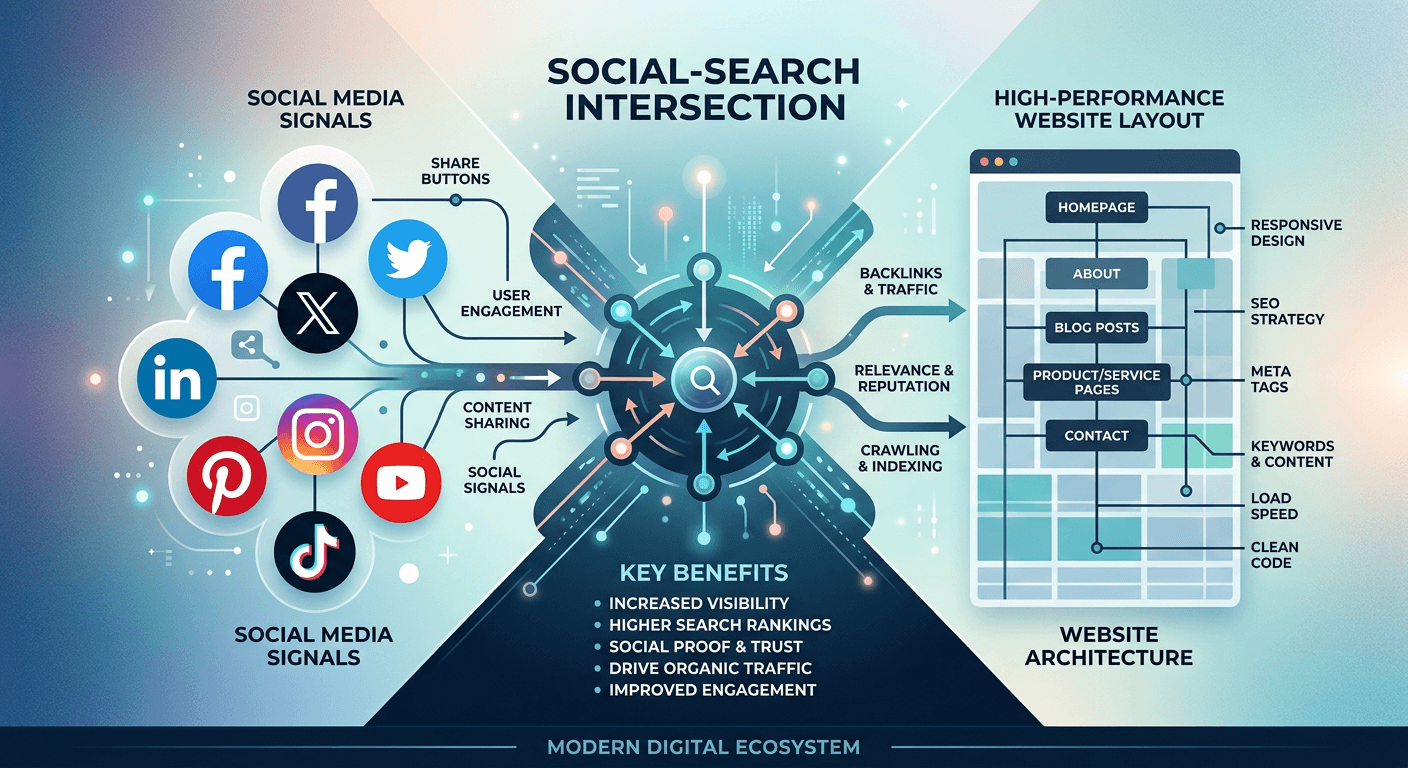
Social media optimization (SMO) is the strategic process of enhancing an organization's social media presence to increase awareness of its products, services, or brands. It functions as the bridge between social interaction and search visibility, ensuring that your digital footprint is not only accessible but also optimized for user engagement and algorithmic preference.
Quick Summary
Social media optimization is the practice of fine-tuning social media profiles, content, and sharing mechanisms to maximize reach, engagement, and conversion. It aligns social strategy with business objectives by integrating community management with technical performance metrics.
- Increases brand visibility across diverse platforms.
- Drives higher quality traffic to landing pages.
- Enhances the efficacy of website design search engine optimization strategies.
- Fosters authentic community interaction and brand loyalty.
Table of Contents
- Quick Summary
- Defining the Social Media Optimization Meaning
- Integrating Social Strategy with Website Design Search Engine Optimization
- Core Components of Effective SMO
- Technical Aspects and Content Distribution
- Measuring Success Through Social Metrics
- Real-World Insights and Strategic Takeaways
- FAQ
- Recommended Reads

Defining the Social Media Optimization Meaning
Understanding the social media optimization meaning requires looking beyond simple posting schedules. At its core, SMO is about the intentional structuring of your online presence to be more "shareable" and "discoverable." It involves refining your profile aesthetics, content relevance, and technical integration to make it as easy as possible for users to find, consume, and distribute your content across various social ecosystems.
This discipline is fundamentally about increasing the virality of your brand assets. By optimizing the way content appears in social feeds - through descriptive meta tags, high-quality visuals, and strong calls to action - you move from passive broadcasting to active engagement. The goal is to create a digital ecosystem where every social signal reinforces your brand authority, ultimately guiding users toward your core digital resources.
Integrating Social Strategy with Website Design Search Engine Optimization
While SMO and SEO are distinct disciplines, they are deeply interconnected. When you align your social strategy with your website design search engine optimization, you create a powerful feedback loop. A well-optimized website acts as a hub for the traffic generated by your social channels, while social engagement signals can indirectly influence search rankings by driving visibility and backlink opportunities.
Integrating these two requires consistent branding and technical synergy. For instance, ensuring that the open graph tags on your website are correctly configured allows your content to be previewed effectively when shared on social media. This consistency between your company policies and your public-facing social presence builds trust, which is a critical ranking factor for modern search engines that prioritize user experience and brand signals.
Core Components of Effective SMO
Effective SMO rests on three pillars: profile integrity, content strategy, and community responsiveness. Your profiles should serve as landing pages that clearly communicate your value proposition, utilizing consistent imagery and tone across all platforms. This reduces friction for new users trying to understand what your brand offers.
Content strategy must focus on value-add rather than self-promotion. Platforms are designed to reward content that keeps users on the app; therefore, creating native content that speaks to the specific culture of each platform is vital. Whether through short-form video, high-resolution imagery, or thought-leadership long-form posts, the content should always invite interaction through thoughtful questions or clear calls to action.
Pro Tip: Do not treat every social platform as a clone of your main website. Tailor your language and visual style to fit the native user behavior of each channel to significantly increase engagement rates.
Technical Aspects and Content Distribution
Behind the creative elements of SMO lies a technical framework that facilitates distribution. This includes the use of RSS feeds, share buttons on your website, and properly implemented URL parameters to track where your traffic originates. By tagging your social posts with custom parameters, you can identify which platforms deliver the highest quality leads to your site.
Furthermore, the structure of your shared content matters. Implementing structured data and optimizing image dimensions for social "cards" ensures that your brand appears professional in every share. When users share your content, these visual previews act as digital advertisements that carry the weight of social proof, making your brand more likely to be clicked by others within their networks.
Measuring Success Through Social Metrics
To optimize effectively, you must track the right metrics. Vanity metrics like "likes" provide a superficial view, but deeper insights come from tracking engagement rates, referral traffic, and conversion paths. These indicators show whether your social media efforts are translating into tangible business outcomes, such as sign-ups, sales, or downloads.
For businesses reviewing their data management, it is essential to ensure that analytics tools are configured to respect user privacy while still providing the granular data needed to refine social strategy. Analyzing which content formats perform best at specific times of the day allows you to schedule your posts for maximum reach, ensuring your efforts are not wasted on low-activity periods.
Real-World Insights and Strategic Takeaways
Industry veterans understand that consistency beats intensity. It is far more effective to maintain a steady, high-quality cadence of posting than to have a sporadic burst of activity followed by silence. The algorithms that govern social discovery favor accounts that provide reliable, quality content that keeps the audience engaged.
Another key insight is the importance of community management. SMO is not just about broadcasting; it is about building a two-way street. Responding to comments, engaging with relevant industry hashtags, and participating in niche conversations establishes your brand as an active participant in the community rather than just an advertiser. This builds the authority necessary to sustain long-term growth across all digital channels.
FAQ
How is SMO different from SEO?
SMO focuses on driving traffic and engagement through social platforms, whereas SEO focuses on optimizing your website to rank higher in search engine results pages. They complement each other by creating a holistic digital presence.
Does social media activity directly affect Google rankings?
While social shares are not a direct ranking factor in the traditional sense, high social engagement drives traffic and brand visibility, which can lead to organic backlinks and increased search volume for your brand name, indirectly benefiting your SEO.
How often should I optimize my social media profiles?
You should perform a full audit of your social media profiles at least quarterly. This ensures your bios, links, and pinned content remain aligned with your current business goals and product offerings.
What are the most important metrics to track for SMO?
Focus on engagement rate (comments, shares, saves), click-through rate (CTR) to your website, and conversion rate. These metrics reveal whether your content is actually resonating with your target audience.